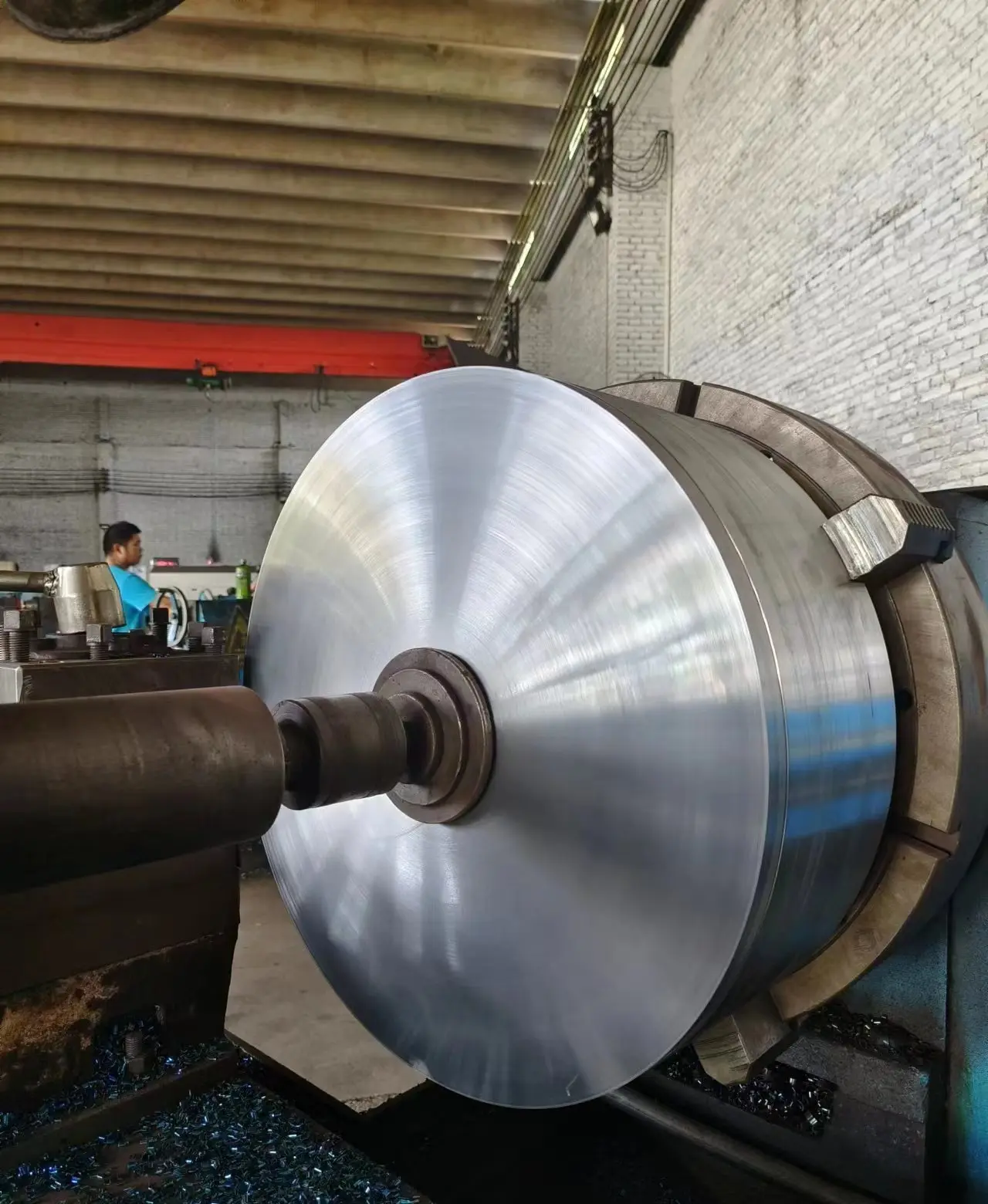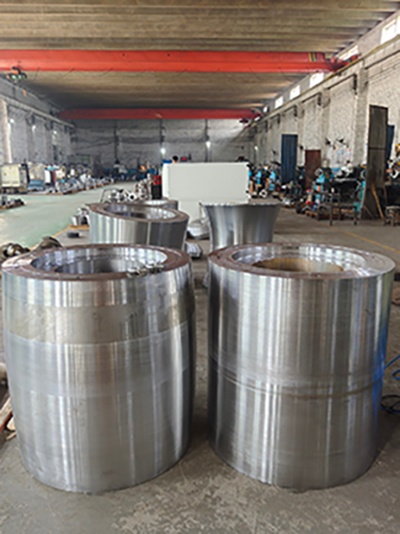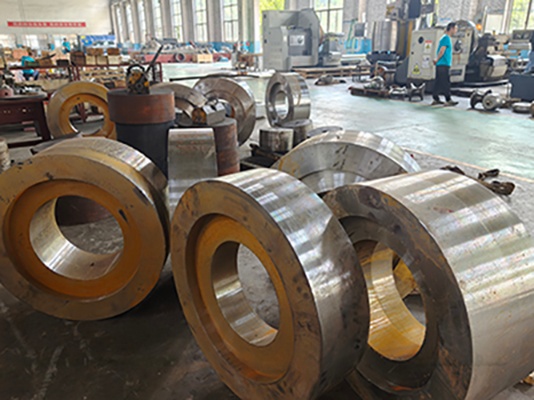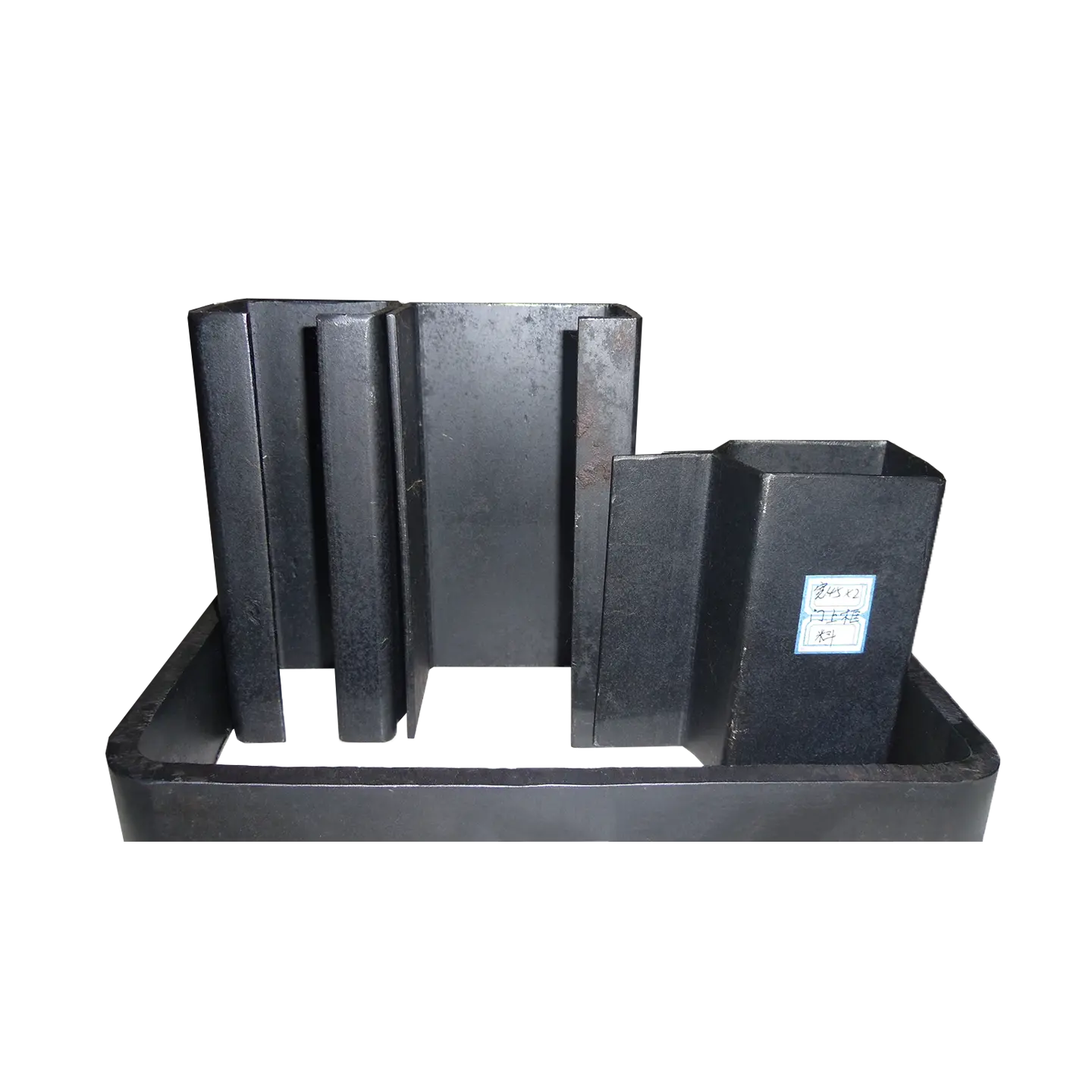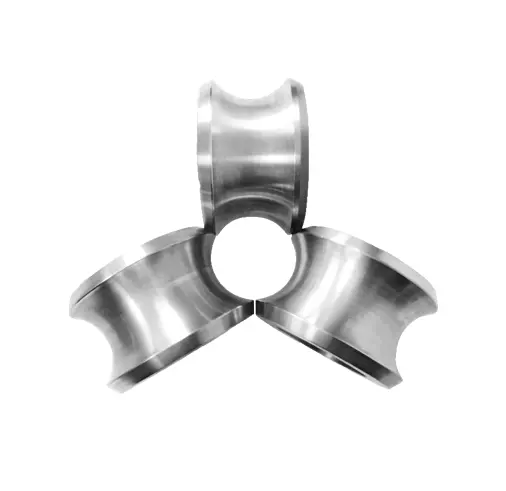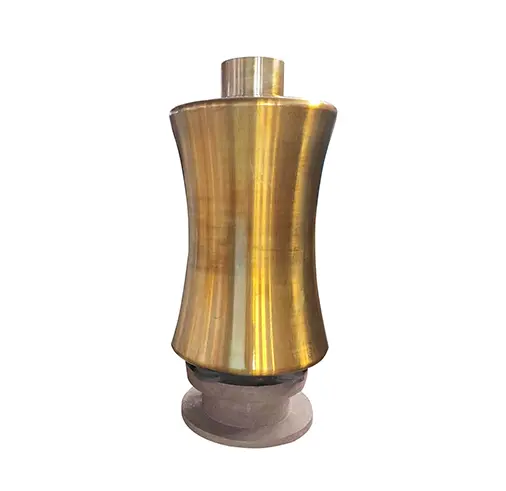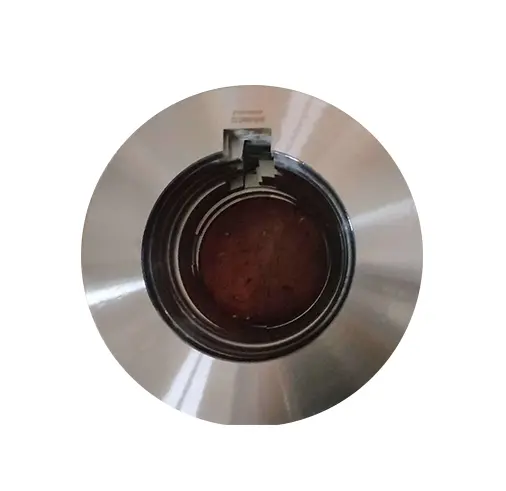

Rolls for cold forming profile serve as the core components of cold roll forming equipment. Under continuous rolling conditions for metal sheets, they bear extrusion, friction and impact loads for a long time, and are prone to failure problems such as wear, spalling and cracking. As a critical procedure in roll machining, heat treatment directly changes the metallographic structure, hardness, toughness and internal stress state of the roll substrate, and exerts a decisive effect on the service cycle of rolls for cold forming profile. Starting from different heat treatment procedures, this article explains the influence of heat treatment processes on the service life of rolls for cold forming profile, as well as key points for process control.
1. Quenching Process: Determines Surface Hardness and Wear Resistance of Rolls
Quenching is the core procedure of heat treatment. It achieves relatively high hardness on the roll surface through rapid cooling and improves the rolls’ ability to resist friction and wear from metal sheets. Quenching temperature, holding time and selection of cooling medium all affect the final results.
If the quenching temperature is too low, austenitization of the material will be insufficient, leading to inadequate hardness on the roll surface. During rolling operation, the roll wears rapidly and scratches easily appear on the surface, shortening the service cycle of the rolls for cold forming profile. Excessively high quenching temperature will cause coarse grains and reduce the toughness of the roll substrate. Under continuous rolling loads, microcracks tend to form, and in severe cases, chipping of the roll surface occurs.
The cooling rate also requires precise control. An overly fast cooling rate generates large residual stress inside the roll and increases the risk of cracking; insufficient cooling fails to reach the target hardness. A suitable quenching process can deliver uniform and stable hardness on the working surface of the roll, slow down roll surface wear and extend service time.
2. Tempering Process: Adjusts Toughness and Releases Residual Stress
After quenching, a large amount of residual stress remains inside the roll, and the material shows high brittleness. The tempering procedure is required to release stress and balance hardness and toughness. Tempering temperature and holding time are key parameters.
If the tempering temperature is too low, residual stress cannot be fully released, and the roll maintains high brittleness. Fatigue cracks may easily form under impact loads. As cracks expand gradually, roll surface spalling occurs. An excessively high tempering temperature leads to obvious reduction in roll hardness, decreased wear resistance and accelerated wear.
A reasonable tempering process reduces internal stress generated by quenching and improves the toughness of the roll substrate. While maintaining appropriate hardness, the roll gains certain impact resistance, reduces the probability of fatigue failure and extends roll service life.
3. Surface Heat Treatment: Improves Roll Surface Performance and Protects the Substrate
Many rolls for cold forming profile adopt surface heat treatment such as surface quenching, which only strengthens the working surface of the roll while keeping good toughness in the roll core.
Surface heat treatment can form a hardened layer with high hardness on the roll surface to enhance wear resistance and anti-seizure capacity, while the substrate retains toughness to withstand rolling impact. The thickness control of the hardened layer is particularly important. A too thin hardened layer may be quickly worn through in service; an overly thick hardened layer causes stress concentration and tends to trigger surface spalling.
Improper parameter control in surface heat treatment results in uneven distribution of the hardened layer, causing local rapid wear of the roll, height difference on the roll surface, affecting the forming quality of profiles and shortening the overall service life of the roll.
4. Failure Problems Caused by Defects in Heat Treatment
Poor control during heat treatment will produce various defects and directly reduce the service life of rolls for cold forming profile. Common issues include uneven hardness, coarse grains, excessive residual stress and oxidation decarburization.
Decarburization reduces surface hardness of the roll and worsens wear resistance; uneven hardness leads to inconsistent local wear speed during rolling, making it hard to maintain the forming precision of profiles. If internal residual stress is not eliminated, microcracks expand continuously under long-term cyclic loads, eventually causing roll spalling or fracture and premature scrapping.
5. Synergy Between Supporting Processes and Subsequent Application
The effect of heat treatment does not exist in isolation. The raw material of the roll, rough machining and finish machining procedures all affect the final heat treatment outcome. For rolls of the same material, obvious differences in service life can be seen with stable or fluctuating heat treatment processes.
Meanwhile, rolls with qualified heat treatment also need cooling and lubrication maintenance during operation. Proper heat treatment endows the roll with basic performance, while on-site working condition maintenance can further slow down wear and give full play to the performance advantages brought by heat treatment.
Summary
The heat treatment process adjusts the hardness, toughness and residual stress level by changing metallographic structures, directly affecting the wear resistance, impact resistance and fatigue resistance of rolls for cold forming profile. Quenching controls surface hardness, tempering releases residual stress, and surface heat treatment strengthens the working surface. Fluctuations in process parameters may lead to uneven hardness, cracks, spalling and other problems, resulting in premature roll failure. Standardized and stable heat treatment procedures can reduce various failure forms of rolls for cold forming profile, extend the service cycle of rolls and lower the frequency of part replacement for cold forming production lines.

Contact Person: Ms Liu
Tel: +86-17736028207
Email: mirror.liu@hongqiroll.com
Web: www.hongqiroll.com
Address: Chenglang Section, Jicun Town
Yuanshi County, Shijiazhuang City, Hebei, China, 051131
Copyright © 2025 Shijiazhuang Hongqi Roll Manufacturing Co., Ltd All rights reserved
Friendship Link Control Valve